Cambodia is best known for Angkor Wat, one of the largest religious monuments in the world, but the country offers much more beyond its temple complexes — riverside cities, French colonial architecture, and a growing coastal scene. It’s a destination that rewards travellers interested in history and a slower, more understated kind of travel.
Why Visit Cambodia
- Angkor Wat & the Temple Complexes — One of the most significant archaeological sites in the world, spread across a vast area near Siem Reap
- Rich, Complex History — From the Khmer Empire to more recent history, Cambodia’s past is deeply woven into its culture
- Affordable Travel — Cambodia remains one of the more budget-friendly destinations in Southeast Asia
- Riverside Cities — Phnom Penh’s mix of French colonial buildings and riverside life offers a different city experience
- Emerging Coastal Areas — Places like Sihanoukville and nearby islands are developing as a quieter beach alternative
Where to Go & What to See
Siem Reap and Angkor Archaeological Park is the heart of any Cambodia trip. Angkor Wat itself, best visited at sunrise when the temple’s towers reflect in the surrounding pools, is just one of dozens of temples spread across the park. Ta Prohm, often called the “jungle temple”, is famous for its massive tree roots growing through the ancient stonework, while Bayon, with its many carved stone faces, sits at the centre of the walled city of Angkor Thom. Most visitors spend at least two full days moving between the major temples, ideally with an early start each morning to beat both the heat and the crowds.
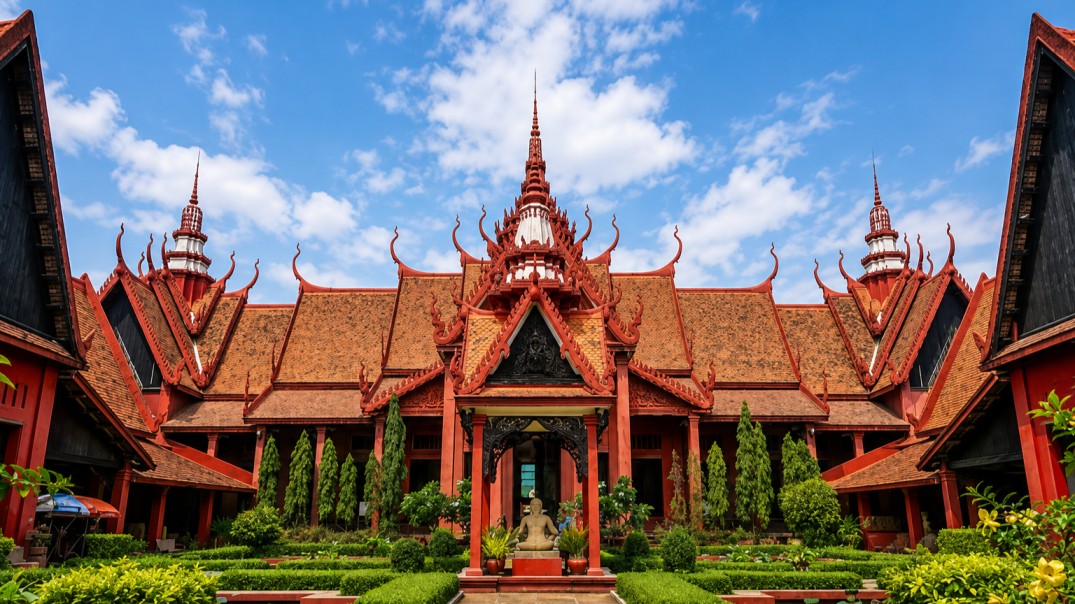
Phnom Penh, Cambodia’s capital, sits along the Mekong and Tonle Sap rivers and has a noticeably different character from Siem Reap. The Royal Palace and Silver Pagoda are the city’s main historical sites, while the riverside promenade is a pleasant place for an evening walk. The city’s more recent history is reflected at the Tuol Sleng Genocide Museum and the Killing Fields at Choeung Ek — sobering but significant stops for understanding modern Cambodian history.
Battambang, a quieter city a few hours from Siem Reap, is known for its French colonial architecture, countryside bike rides, and the well-known “Bamboo Train” – a small bamboo platform on wheels that runs along old rail tracks through the countryside.
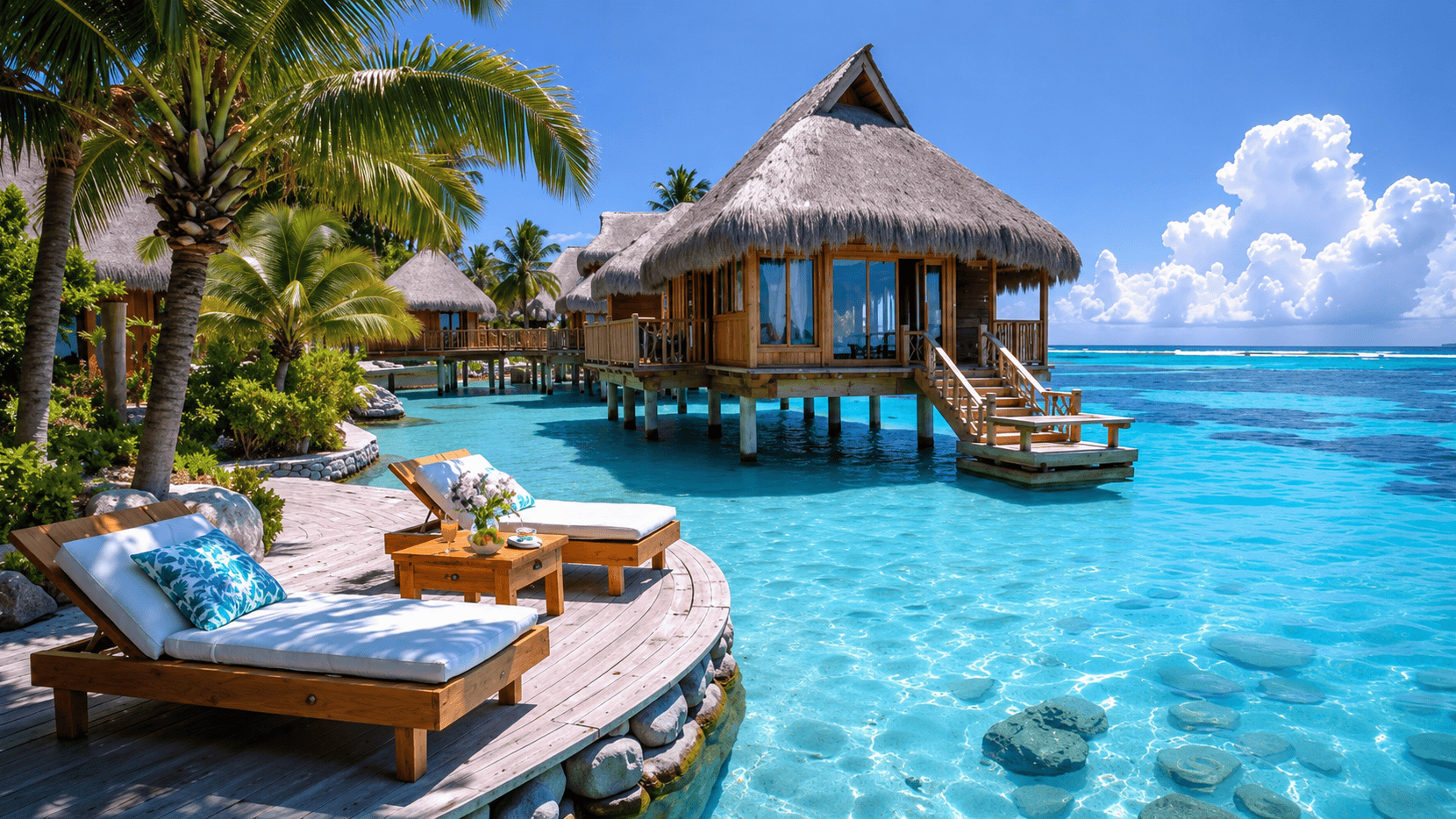
Koh Rong, an island off the coast near Sihanoukville, has become a popular add-on for travellers wanting some beach time after the temples — clear water, quieter beaches than Thailand’s more developed islands, and a slower island pace.
For most travellers, Siem Reap alone is enough for a short trip, while combining it with Phnom Penh gives a fuller picture of the country’s history from ancient to modern.
Best Time to Visit
November to February is the most comfortable time to visit Cambodia, with cooler, drier weather ideal for exploring the temple complexes on foot. March to May is hot, and the monsoon season (June-October) brings regular rain, though the temples and countryside are notably green during this period.
Why Travel to Cambodia With TravoWay?
Angkor’s temple complex is vast, and getting the most out of it depends heavily on timing, routing, and having the right guide — that’s exactly what we help arrange.
- Custom Itineraries — Whether it’s a temple-focused Siem Reap trip or a longer route including Phnom Penh and the coast, we plan around your interests
- Licensed Temple Guides — Guides who know the history and layout of Angkor well enough to help you avoid the crowds and see the highlights efficiently
- Verified Hotels & Transport — Accommodation and local transport arranged through partners we’ve checked and worked with before
- Sunrise & Off-Peak Planning — Itineraries timed to catch key spots like Angkor Wat at sunrise, before the largest crowds arrive
- 24/7 Support — We’re available throughout your trip for anything you need
Travel Tips
- Bangladeshi travelers can typically get a visa on arrival or apply for an e-visa in advance — check current requirements before booking
- Plan at least 2-3 full days for Angkor Archaeological Park to see the major temples without rushing
- US Dollars are widely accepted alongside the local Cambodian riel.
- Early morning visits to Angkor Wat help avoid both the heat and the largest crowds
How Long Should You Plan For?
A Siem Reap-only trip focused on the Angkor temples works well over 4-5 days, giving time for the major sites plus a rest day between temple visits. Adding Phnom Penh typically means budgeting 6-7 days total, with 2-3 days in the capital. If a beach stop on Koh Rong is part of the plan, add another 3-4 days, since the island is best enjoyed at a slower pace rather than a quick overnight stop.
Interested in a Cambodia trip centred around Angkor Wat? Let us know your travel dates, and we’ll help you plan the right itinerary.