Japan consistently ranks among the world’s most-loved travel destinations, and for good reason — ancient temples, futuristic cities, iconic cuisine, and a level of service and organization that makes travel remarkably smooth. It’s a destination that rewards both first-time visitors and repeat travelers.
Why Visit Japan
- A Striking Contrast — Centuries-old temples and traditions alongside some of the most modern cities in the world
- World-Famous Cuisine — From sushi and ramen to regional specialties found nowhere else
- Efficient, Easy Travel — The rail system, including the Shinkansen bullet train, makes getting around remarkably smooth
- Seasonal Beauty — Cherry blossoms in spring and vivid foliage in autumn draw travelers at specific times of year
- Safe & Welcoming — Japan is known for being an easy, comfortable destination for international travelers
Where to Go & What to See
Tokyo is where most Japan trips begin, and its neighborhoods each feel like a different city. Asakusa, home to the historic Senso-ji Temple, offers a glimpse of old Tokyo, while Shibuya and Shinjuku showcase the city’s neon-lit, ultra-modern side — the Shibuya Crossing is one of the busiest and most photographed intersections in the world. Akihabara covers Tokyo’s electronics and anime culture, and a day trip to teamLab Planets or Tokyo Skytree adds a more immersive, contemporary experience.
Kyoto, Japan’s former imperial capital, is where most of the country’s most iconic temples and traditional streets are concentrated. Fushimi Inari Shrine, with its thousands of vermilion torii gates climbing a hillside, is one of the most photographed sites in Japan, while Kinkaku-ji (the Golden Pavilion) and the bamboo grove in Arashiyama round out the city’s must-see spots. The Gion district is known for its traditional wooden buildings and occasional geisha sightings in the early evening.
Osaka, a short bullet train ride from Kyoto, is Japan’s food capital — Dotonbori’s neon-lit streets are packed with restaurants serving takoyaki, okonomiyaki, and other Osaka specialties, and the area is as much about eating and wandering as it is about specific sights. Osaka Castle is the city’s main historical landmark.
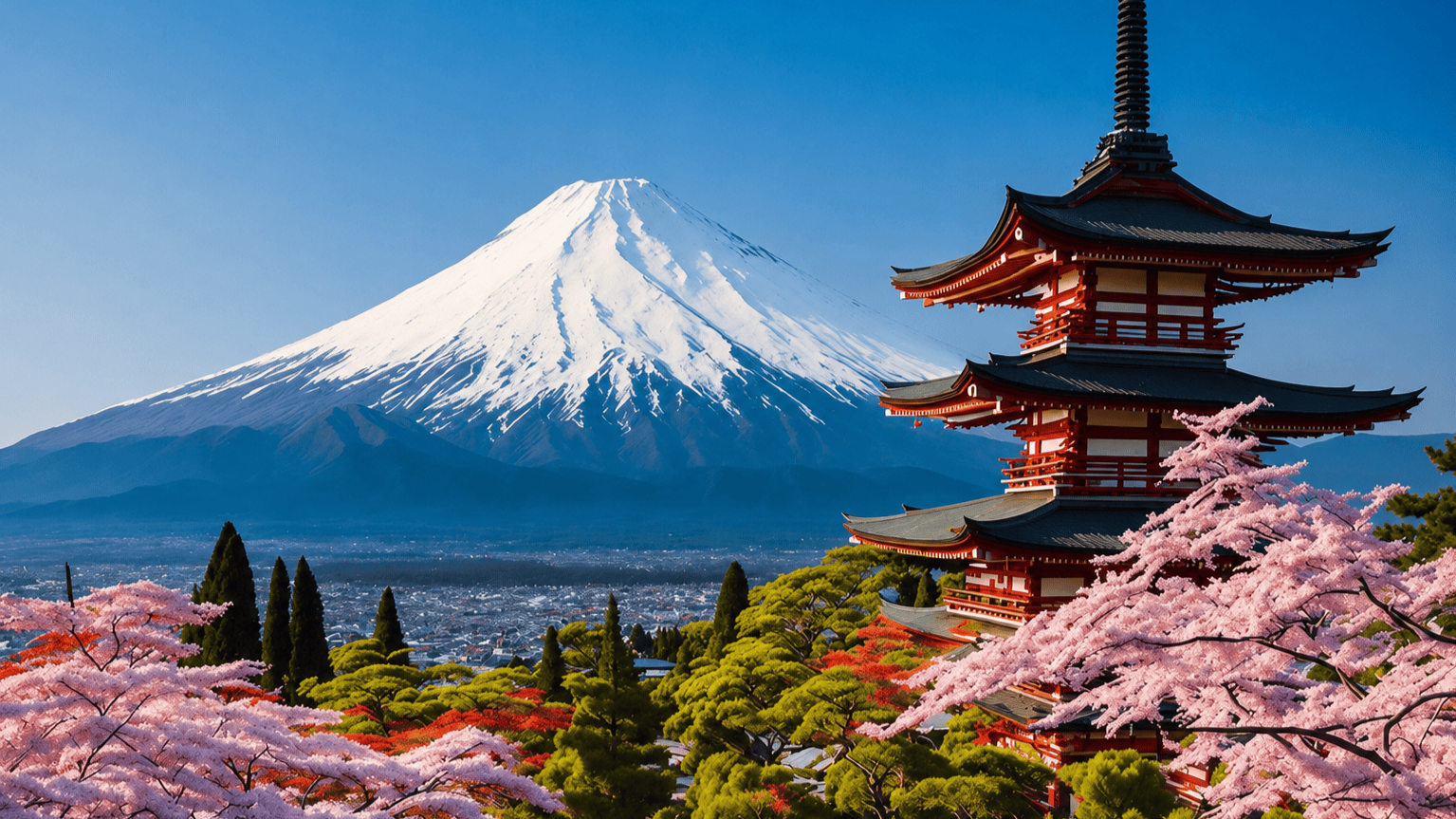
The Mount Fuji area, particularly around the Fuji Five Lakes or Hakone, is a popular short trip out from Tokyo for scenic views of Japan’s most iconic mountain, along with hot springs (onsen) in Hakone for travelers wanting a more relaxed day.
A first Japan trip commonly follows the Tokyo-Kyoto-Osaka route, connected easily by the Shinkansen, with Mount Fuji added as a day trip from either Tokyo or on the way to Kyoto.
Best Time to Visit
Spring (late March to April) is famous for cherry blossom season, while autumn (October-November) offers striking fall foliage — both are peak seasons and tend to be busier and pricier. Summer can be hot and humid, especially in cities, while winter is cold but offers good conditions for snow destinations and hot springs.
Why Travel to Japan With TravoWay?
Japan rewards careful planning — trains, reservations, and seasonal timing all matter more here than in most destinations, and that’s where we help the most:
- Custom Itineraries — Tokyo-Kyoto-Osaka routes (or other combinations) planned around your interests and the season you’re traveling in
- Rail Pass & Train Booking Guidance — Help deciding whether a Japan Rail Pass makes sense for your route, and booking key reserved seats in advance
- Verified Hotels — Accommodation arranged through partners we’ve checked and worked with before, in well-located areas near train stations
- Seasonal Timing Advice — Guidance on when to travel if cherry blossoms or autumn foliage are a priority, since timing shifts slightly each year
- 24/7 Support — We’re available throughout your trip for anything you need
Travel Tips
- Bangladeshi travelers need to apply for a Japanese visa in advance — check current requirements before booking
- A Japan Rail Pass can be cost-effective if you’re covering multiple cities by train — compare against individual tickets first
- Cash is still commonly used in Japan, even though card and contactless payments have grown
- Booking accommodation and travel early is especially important during cherry blossom and autumn foliage seasons, when demand is highest
How Long Should You Plan For?
A Tokyo-Kyoto-Osaka trip works well over 8-10 days, with roughly 4 days in Tokyo, 3 days in Kyoto, and 2 days in Osaka, plus a day trip to Mount Fuji or Nara worked in along the way. A Tokyo-only trip can still be rewarding over 5-6 days given how much the city alone offers, while shorter trips of 4-5 days are best kept to a single city rather than spread thin across the country.
Planning a trip to Japan? Let us know which season and cities interest you most, and we’ll help you plan the right route.